St. George Concrete Leveling
- Thousands of satisfied customers
- Local and family owned
- 15+ years in business
- Licensed and insured
- Always FREE Quotes
Licensed & Insured Trip Hazard Removal in St. George, UT
Uneven sidewalks and raised slabs create liability, injuries, and ADA issues. We fix the root cause and remove the hazard - fast. Our team specializes in precision sidewalk repair, leveling, and compliant bevels that restore safe walking surfaces without unnecessary demolition.
With 15+ years serving St. George and Southern Utah soils and climates, we use OSHA-compliant methods, polyurethane foam lifting, and precision cutting to correct height differentials, curb lips, and settlement. When you need Trip Hazard Removal St. George UT, count on results that are durable, ADA-minded, and clean. We’re licensed, insured, and experienced with city right-of-way work. Contact us today for a free trip hazard evaluation and estimate.
Trip Hazard Removal That Improves Safety, Compliance, and Curb Appeal
You want a safe, smooth walkway that reduces liability and looks professional. We remove tripping points and stabilize slabs the right way, so you avoid injuries, citations, and costly replacements. Professional Trip Hazard Removal St. George UT means fast repairs, ADA-minded details, and results that last through summer heat and seasonal movement. Here’s what you gain when we handle your sidewalk hazards.
Safety & Risk Elimination
We target the actual risk - vertical changes and edges that catch toes and wheels. Our crews correct differentials to meet ADA Section 303 thresholds, addressing 1/4 inch changes, beveled transitions up to 1/2 inch at 1:2, and ramps where needed. The result is a smoother, safer path for pedestrians, strollers, and mobility devices.
By removing hazards, you reduce slip-and-fall exposure and align with ASTM F1637 guidance for safe walking surfaces. We’ve helped HOAs, schools, retail centers, and homeowners minimize claims by eliminating abrupt lips and stabilizing settled panels before they worsen.
Professional Results & Quality
Quality starts with the right method. We use precision saw-cutting or grinding for clean, ADA-compliant bevels and foam injection to lift settled panels where needed. Each repair is measured with straightedges and slope meters to verify transitions and cross-slope.
Expect durable finishes, tight joints, and clean edges. We use proven materials - high-density polyurethane foam, epoxy repair mortars, and polyurea joint sealants - so your sidewalks perform through extreme heat, occasional freeze-thaw, and irrigation cycles.
Time & Stress Savings
We streamline everything - from inspection and mapping to dust-controlled grinding and lift/level work. Most sidewalks remain accessible during work, and ground or saw-cut surfaces are walkable immediately. Foam-leveling areas typically return to service in 15-30 minutes.
You avoid permit confusion, traffic control headaches, and callbacks. Our team handles right-of-way coordination, occupant notices, and work sequencing to keep your property running smoothly.
Cost-Effective Solution
Grinding, saw-cutting, and foam lifting often cost a fraction of full replacement, with less mess and downtime. We help you choose the right fix for each location - repair what’s needed, replace only when it’s smarter long-term.
By correcting differentials early and resealing joints, you prevent water intrusion and slab migration that drive future costs. Many clients save 40-70% versus panel replacement while achieving compliant, attractive results.
Peace of Mind & Warranty
We’re licensed, insured, and trained in OSHA silica standards. Our OSHA Table 1 controls, HEPA dust collection, and PPE keep job sites safe and compliant. You’ll get documented repairs and clear closeout notes for your records.
Foam lifting includes a written warranty, and all workmanship is backed by our satisfaction guarantee. You’ll know the job meets code, looks right, and is built to last.
How Our Trip Hazard Removal Process Works
We make sidewalk hazard repair simple, safe, and predictable - with clear communication from first call to final walkthrough.
- On‑Site Inspection - We measure lips, slopes, and causes (roots, settlement, washout). If needed, we map hazards for HOAs or campuses.
- Clear, Written Estimate - You’ll get method-specific options (grind/saw-cut, foam lift, partial replacement) with pricing per hazard or per panel.
- Permit & Scheduling - For public sidewalks, we coordinate right‑of‑way permits and pedestrian/traffic control. We offer after‑hours work when needed.
- Repair & Cleanup - OSHA silica controls (wet cut/HEPA vacs), precision cutting, polyurethane foam injection, crack/joint sealing, and thorough cleanup.
- Verification & Documentation - We confirm bevels and slopes, then provide closeout notes - and GIS/ADA reports on request.
Why Choose Us for Trip Hazard Removal in St. George
At St. George Concrete Leveling, we focus exclusively on concrete leveling and sidewalk safety. Our team blends local expertise with proven methods to deliver reliable, ADA‑minded results. We’re licensed, insured, and trained to work safely in public rights‑of‑way and occupied properties. From HOAs to hospitals to residential sidewalks, we make Trip Hazard Removal St. George UT straightforward and dependable.
Certified Expertise & Qualifications
Your project is managed by trained professionals with ACI Concrete Flatwork credentials, OSHA 10/30, and silica awareness per 29 CFR 1926.1153. Our foam technicians are manufacturer‑trained for high‑density polyurethane injection, ensuring accurate lifts and long‑term stability.
We operate under the appropriate Utah DOPL S260 Asphalt & Concrete Contractor scope and maintain an active City of St. George business license. That means your work is performed to recognized standards with competent supervision and documented procedures.
Licensing, Insurance & Safety Practices
We follow OSHA Table 1 silica controls using wet cutting, HEPA‑filtered vacuums, and dust shrouds. Crews wear respirators, eye/ear protection, and other PPE suited to the task. We manage job hazards with site‑specific plans and keep pedestrian routes safe with clear signage and barricades.
For right‑of‑way work, we handle encroachment permits and coordinate pedestrian/traffic control. You’re protected by active general liability and workers’ compensation - proof available on request.
Purpose‑Built Equipment & Materials
We use precision tools for the right outcome: patented trip‑hazard cutting machines for edge‑to‑edge zero‑differential cuts, walk‑behind grinders with diamond cup wheels, and scarifiers with PCD drums for aggressive shaving. Slope meters and straightedges verify compliant bevels and cross‑slope.
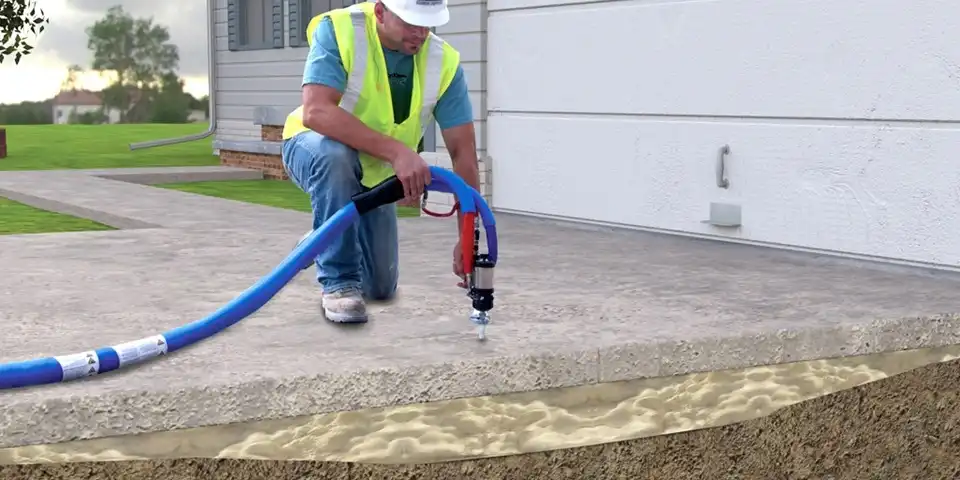
When lifting is required, we inject high‑density polyurethane foam through small ports to fill voids, stabilize soils, and relevel panels. We finish with crack chasing, polyurea/epoxy joint sealants, and, when necessary, epoxy repair mortars or partial panel replacement.
Local Knowledge That Matters
Southern Utah’s heat, reactive soils, irrigation washout, and tree roots (including along SunRiver paths and Washington Fields) create distinctive sidewalk issues. We’ve corrected hazards in Downtown St. George, Bloomington, Little Valley, Green Valley, Coral Canyon, Ivins, Hurricane, and ZIPs 84770-84791.
We design repairs for local conditions and current standards, including ADA Section 303, ASTM F1637, and evolving PROWAG guidance adopted by federal agencies in 2024 with key effective dates in 2025 for certain facilities.
Customer‑First Policies & Guarantees
Expect clear schedules, tidy sites, and courteous crews. We offer same‑day or after‑hours repairs when available to minimize business disruption. Foam lifting includes a written warranty, and all workmanship is guaranteed.
Need documentation? We can provide hazard inventories, before/after measurements, and compliance notes - ideal for HOAs, property managers, and municipal programs.
Professional Trip Hazard Removal Backed by Years of Local Experience
We’ve delivered reliable sidewalk trip hazard removal, grinding, cutting, and foam lifting across St. George & Southern Utah for over 15 years. Our crews understand local soils, sun exposure, and irrigation patterns that cause slab movement. Whether it’s a single residential lip or a campus‑wide hazard list, we apply the right method, the right tools, and ADA‑minded details to get lasting results.
Types of Projects We Handle
Residential & HOA: Driveways, front walks, community paths, and mailbox clusters - often priced per hazard for clear budgeting. We coordinate resident notices and quick turnarounds.
Commercial & Municipal: Retail centers, office parks, schools, hospitals, parks, and right‑of‑way programs. We can phase work by building or block, maintain pedestrian access, and provide documentation for audits.
Our Proven Methods
We use edge‑to‑edge cutting or feather grinding for smooth, ADA‑compliant bevels, followed by joint resealing to prevent water intrusion. For settlement, we lift with polyurethane foam to fill voids and stabilize soils, then chase and seal cracks.
Equipment includes PCC cutting machines, walk‑behind grinders, scarifiers, HEPA vacuums, slope meters, and core drills. Materials include high‑density foam, polyurea/epoxy sealants, and ready‑mix when partial replacement is the better choice.
Complex Situations We’ve Mastered
Tree Root Heave: Where roots lift panels, we evaluate trimming feasibility, perform panel trimming/slicing, or recommend selective replacement with dowel‑tied edges and root barriers when appropriate.
Void & Washout: Irrigation or stormwater can hollow soils. We inject foam to restore support, then seal joints to block future infiltration. For curb ramps and transitions, we address cross‑slope and bevels to support accessibility.
Results You Can Expect
Clean, uniform bevels that meet ADA Section 303 thresholds. Minimal downtime - ground areas are immediately usable; foam‑lifted panels typically within 15-30 minutes. Most small properties are completed in a single visit.
We prioritize cost‑effective repairs first and reserve replacement for panels that are fractured beyond repair or root‑compromised.
Documentation & Compliance Reporting
For HOAs and campuses, we can deliver GPS/GIS hazard maps, counts by severity, and before/after photos. Closeout packets can include ADA notes, method summaries, and maintenance tips.
If your project touches public right‑of‑way, we coordinate permits and reference current ADA/PROWAG guidance so your records are audit‑ready.
Other Services We Offer
- Polyurethane Foam Injection
- Mudjacking Services
- Driveway Leveling
- Sidewalk Leveling
- Patio Leveling
- Garage Floor Leveling
- Pool Deck Leveling
- Concrete Slab Lifting
- Foundation Slab Leveling
- Concrete Settlement Repair
- Sunken Concrete Repair
- Trip Hazard Removal
- Concrete Void Filling
- Soil Stabilization for Concrete Slabs
- Concrete Crack Repair
- Concrete Resurfacing
- Concrete Joint Repair
- Commercial Concrete Leveling
- Warehouse Floor Leveling
- HOA & Community Concrete Repairs
- Concrete Step Leveling
- Porch & Entryway Leveling
- Retaining Wall Stabilization
Locations We Serve
- St. George
- Washington
- Santa Clara
- Hurricane
- Springdale
- La Verkin
- Ivins
- Toquerville
- Leeds
- Cedar City
- Kanab
- Cedar Mountain
- Pine Valley
- Apple Valley
- Dammeron Valley
- Rockville
- Enterprise
- Beryl Junction
- Beaver Dam
- Entrada (St. George)
- Sunriver (St. George)
- Bloomington
- Green Valley
- Bloomington Hills (St. George)
- Santa Clara Hills (St. George)
- Pioneer Park Area (St. George)
- Sunset (St. George)
- Dixie Springs (St. George)
- Ivins Red Mountain (St. George)
- Tuacahn Area (St. George)
- Bloomington Country Club (St. George)
- Washington County
- Iron County
- Kane County
- Beaver County
- Garfield County